contactus@caringkidsdental.com
How Quickly Should You Visit an Emergency Pediatric Dentist After an Accident?

By Caring Kids Dental
Accidents happen fast—especially with kids. One minute they’re running around the backyard or playground, the next there’s a fall, a bump, or a sudden cry that makes every parent’s heart drop. When a dental injury is involved, knowing how quickly to act can make a real difference in saving your child’s smile and preventing long-term problems.
This guide will help Upland parents understand what counts as a dental emergency, when to seek immediate care, and how acting fast can protect both baby teeth and developing adult teeth.
Why Timing Matters After a Dental Accident
Children’s teeth and jaws are still developing. Because of this, trauma that might seem minor can lead to complications if ignored. Prompt dental care can:
-
Save a knocked-out or loose tooth
-
Prevent infection or nerve damage
-
Reduce pain and swelling
-
Protect permanent teeth growing under baby teeth
After the first 100 words, it’s important to say this clearly: visiting an Emergency Pediatric Dentist Upland parents trust as soon as possible helps ensure the best outcome after an accident.
Common Dental Accidents in Children
Kids are active—and dental injuries often come with the territory. Some of the most common situations include:
-
Falls at local parks like Memorial Park or Magnolia Park
-
Sports injuries from soccer, baseball, or skateboarding
-
Accidents at school or daycare
-
Biking or scooter mishaps in neighborhood streets
-
Biting down on something hard at home
How Soon Should You See a Pediatric Dentist?
Immediately (Within 30–60 Minutes)
Seek urgent dental care right away if your child has:
-
A knocked-out permanent tooth
-
Heavy bleeding that doesn’t stop
-
A tooth pushed out of position
-
Severe pain or facial swelling
Time is critical in these cases. Quick action can often save the tooth and avoid surgery later.
Within a Few Hours
You should schedule an urgent visit if you notice:
-
A cracked or broken tooth
-
A loose tooth after impact
-
Lip, tongue, or gum injuries
-
Pain when biting or chewing
Even if your child seems “okay,” internal damage isn’t always visible.
Within 24 Hours
Some injuries may not look serious at first but still need professional evaluation:
-
Small chips in teeth
-
Mild sensitivity after a fall
-
Trauma to baby teeth
Delaying care can allow infections or damage to worsen silently.
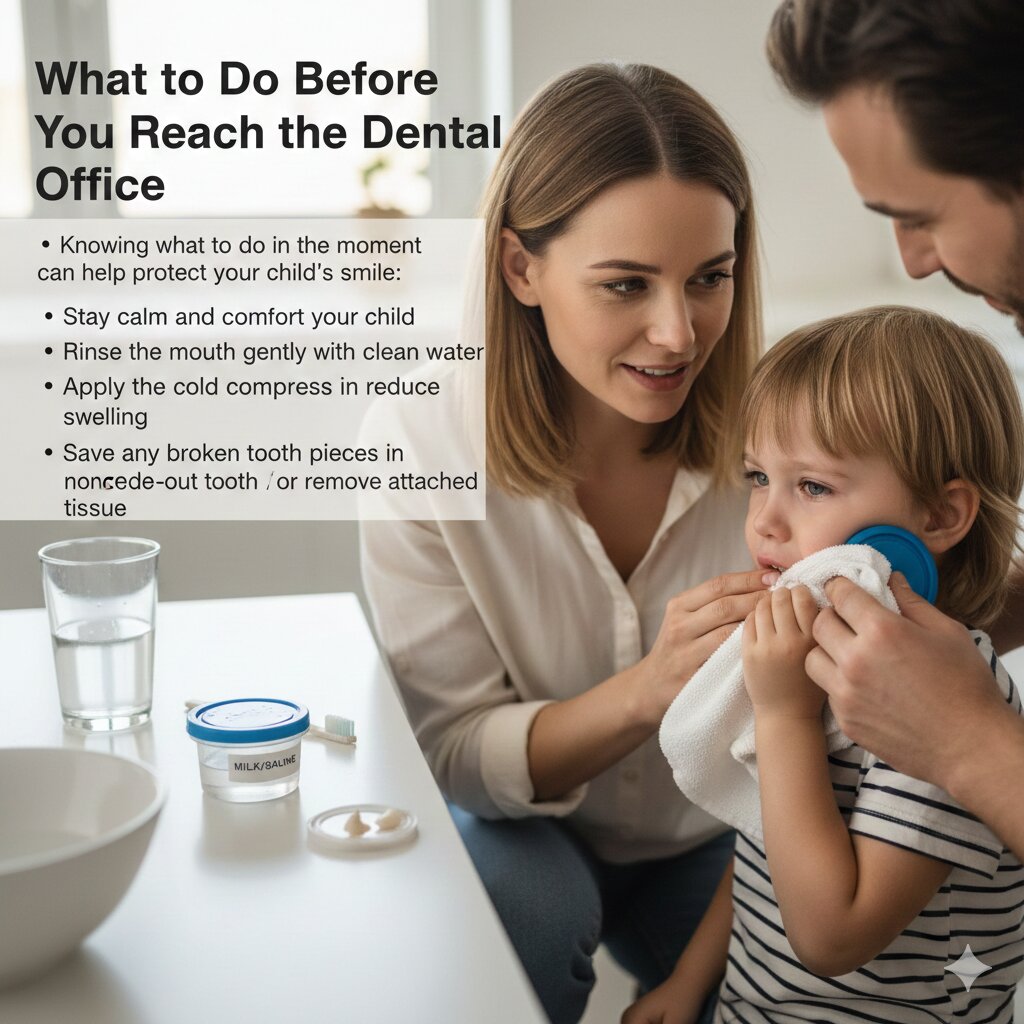
What to Do Before You Reach the Dental Office
Knowing what to do in the moment can help protect your child’s smile:
-
Stay calm and comfort your child
-
Rinse the mouth gently with clean water
-
Apply a cold compress to reduce swelling
-
Save any broken tooth pieces in milk or saline
-
Do not scrub a knocked-out tooth or remove attached tissue
If a permanent tooth is knocked out, gently place it back in the socket if possible or store it in milk and head to an Emergency Pediatric Dentist Upland families rely on for immediate care.
Why Pediatric Emergency Care Is Different
Children aren’t just small adults. Pediatric dental emergencies require special training, equipment, and a gentle approach. A pediatric dental team understands:
-
Child-specific pain management
-
Growth and tooth development stages
-
How to ease fear and anxiety
-
Long-term impact on permanent teeth
This specialized care is especially important for families in Upland where active outdoor lifestyles and youth sports are common.
Signs You Should Never Ignore
Call for emergency dental care if you notice:
-
Tooth color changing to gray or dark
-
Swelling around the gums or face
-
Fever after a dental injury
-
Persistent pain lasting more than a few hours
These signs may indicate nerve damage or infection.
How Fast Treatment Helps Long-Term Oral Health
Acting quickly after an accident can:
-
Reduce the need for future root canals or extractions
-
Prevent misalignment as adult teeth grow in
-
Lower the risk of speech or chewing problems
-
Save time, stress, and costs down the road
Parents who respond quickly often avoid complex treatments later.
FAQs Parents Often Ask
Can baby teeth injuries really affect adult teeth?
Yes. Trauma to baby teeth can damage the developing permanent teeth underneath, affecting shape, color, or eruption.
What if my child isn’t complaining of pain?
Children don’t always feel pain right away. Hidden damage can still occur, so an exam is important.
Should I go to the ER or a dental office?
For dental-specific injuries, a pediatric dental office is usually the best choice. Emergency rooms often lack dental equipment.
How can I prevent dental injuries?
Use mouthguards for sports, child-proof the home, and supervise high-risk activities.
When in Doubt, Get It Checked
If you’re unsure whether your child’s accident is serious, it’s always safer to have it evaluated. A quick visit can provide peace of mind—and potentially save a tooth.
In the final moments after an injury, having access to an Emergency Pediatric Dentist Upland families can depend on ensures your child gets the right care at the right time.
Next Steps for Parents in Upland
Dental accidents are stressful, but you don’t have to handle them alone. If your child experiences a dental injury, don’t wait and see—take action.
Caring Kids Dental is proud to serve Upland families with compassionate, prompt pediatric dental care when it matters most. Booking an appointment quickly after an accident can help protect your child’s smile today and for years to come.