contactus@caringkidsdental.com
Thumb Sucking & Pacifiers in Ontario, CA


By Caring Kids Dental
If you live near Ontario and have a toddler who loves their pacifier or thumb, you are not alone. Many parents in our community come to Caring Kids Dental with the same worries. Your 5 biggest questions about thumb sucking and pacifiers answered in Ontario is exactly what this article delivers. Dr. Christian Egbert and our team want you to feel informed and confident. Understanding how these habits affect your child’s teeth helps you make smart decisions early.
Question 1: Are Thumb Sucking and Pacifiers Actually Harmful to My Child’s Teeth?
This is the most common question parents ask us. The short answer is: it depends on how long the habit continues. Babies have a natural sucking reflex. It is completely normal and even comforting for infants and young toddlers.
Problems can develop when the habit continues past age three or four. Prolonged sucking can push the upper front teeth forward. It can also affect how the upper and lower jaws align over time. The intensity of the habit matters too — aggressive thumb suckers tend to see more dental changes than passive ones.
Pacifiers are generally considered easier to manage than thumb sucking. You can simply take a pacifier away. A thumb is always available, which makes breaking that habit a bit trickier. Either way, early guidance from a pediatric dentist makes a big difference. Learning how to Care For Your Childs Teeth during these early years sets the foundation for a healthy smile.
Question 2: When Should My Child Stop Using a Pacifier or Sucking Their Thumb in Ontario?
Most pediatric dental experts recommend weaning children off these habits by age two to four. The American Academy of Pediatric Dentistry suggests stopping before permanent teeth begin to emerge. For most children, that happens around age five or six.
Here is a general timeline to keep in mind:
- Ages 0–2: Pacifier and thumb use is completely normal and not a dental concern.
- Ages 2–4: Begin gently encouraging your child to reduce the habit.
- Ages 4–6: Work actively to stop the habit before permanent teeth arrive.
- Age 6 and beyond: Persistent habits at this stage can cause more serious alignment issues.
Every child is different, so there is no single perfect answer. Dr. Egbert can monitor your child’s development at each visit. Early intervention allows us to catch changes before they become serious problems. Visiting us in Upland, CA — conveniently close to Ontario families — gives your child access to expert pediatric care.
Question 3: What Dental Problems Can These Habits Actually Cause?
Parents often want specific details about what could go wrong. That is a completely fair question. The dental effects depend on how long, how often, and how intensely your child sucks. Here are the most common issues we see:
- Open bite: The upper and lower front teeth do not meet when the mouth closes.
- Overjet (buck teeth): The upper front teeth flare outward noticeably.
- Crossbite: The upper jaw narrows, causing misalignment with the lower teeth.
- Speech changes: Prolonged habits can affect how certain sounds are formed.
- Jaw development issues: The shape of the roof of the mouth can change over time.
Many of these changes are reversible if caught early. Baby teeth are more forgiving than permanent teeth. That is why regular check-ups at Caring Kids Dental are so valuable. Our Preventive Dentistry approach helps us spot problems before they become costly to correct.
Question 4: How Can I Help My Child Stop These Habits?
Breaking a comfort habit takes patience and a positive approach. Punishment or shame rarely works and can backfire. Instead, focus on positive reinforcement and gradual changes. Here are strategies that many Ontario-area parents have found helpful:
First, identify when your child relies on the habit most. Is it at bedtime? During stressful moments? Understanding the trigger helps you offer alternatives. Offer a stuffed animal, a blanket, or extra comfort during those moments.
Second, involve your child in the process. Older toddlers and preschoolers respond well to simple reward charts. Celebrate small wins with stickers or a special activity. Avoid making the habit a big deal, which can increase anxiety and make it worse.
Third, consider a gentle reminder system at night. A light bandage on the thumb or a finger guard can remind children without being punitive. Always talk to Dr. Egbert before using any dental appliance. He can recommend age-appropriate tools that are safe and effective for your child’s specific situation.
Question 5: Will My Child Need Braces Because of This Habit?
This is a question that naturally worries many parents. The honest answer is: possibly, but not necessarily. Many children who stop the habit before permanent teeth come in see their teeth self-correct. The jawbone and teeth in young children are quite adaptable.
If your child stops the habit before age six, there is a good chance the bite will improve on its own. However, if the habit continues and permanent teeth are already shifting, orthodontic treatment may be needed later. Dr. Egbert will track your child’s jaw development at every appointment. He will let you know if and when a referral to an orthodontist makes sense.
The key takeaway is that early action gives your child the best chance of avoiding braces. Regular dental visits are the most powerful preventive tool available to Ontario families. Catching problems at age three or four is always better than addressing them at age ten.
What to Expect at Your Child’s Visit With Dr. Egbert
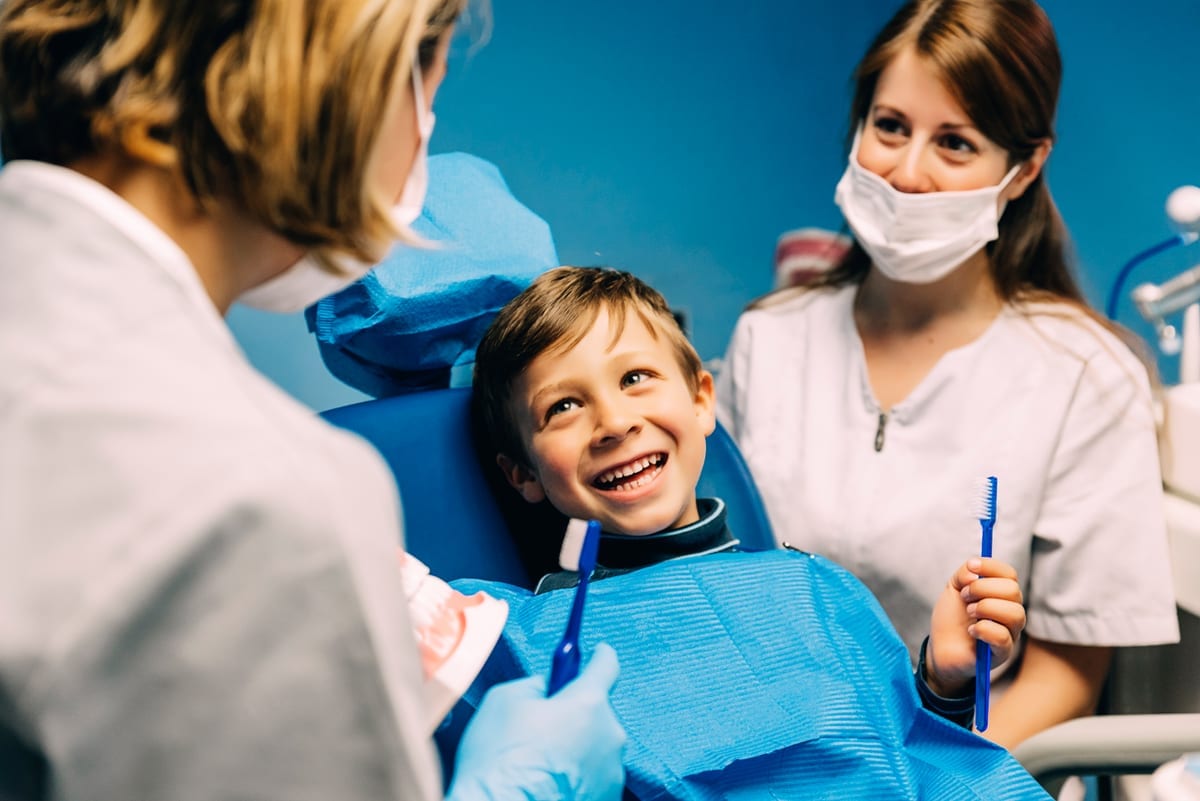
Caring Kids Dental serves children from infancy through age seventeen. Our office is warm, welcoming, and designed specifically for young patients. Dr. Egbert takes time to explain everything to both parents and children in simple, friendly terms.
During your visit, we will:
- Review your child’s current habit and how long it has been going on.
- Examine your child’s teeth and jaw development carefully.
- Discuss any early signs of dental changes related to the habit.
- Provide personalized guidance for weaning your child from the habit.
- Create a monitoring plan so we can track progress at future visits.
You will leave with a clear plan and real answers — not vague advice. We believe informed parents raise healthier kids. Our goal is to be your trusted partner in your child’s oral health journey from the very beginning.
If you are near Ontario and want expert guidance on your child’s thumb sucking or pacifier habit, Caring Kids Dental is here for your family. Book Now to schedule your appointment with our team.
Frequently Asked Questions
At what age does thumb sucking become a dental problem?
Thumb sucking is generally not a dental concern before age three. Problems are more likely to develop if the habit continues past age four or five, especially once permanent teeth begin to emerge. The sooner the habit is stopped, the better the chance of natural correction.
Is a pacifier better or worse than thumb sucking for my child’s teeth?
Pacifiers are generally considered a better option because parents can control when and how they are used. Both habits can cause similar dental changes if they continue too long. However, pacifiers are easier to wean a child off of since they can simply be removed and put away.
Can the dental effects of thumb sucking reverse on their own?
Yes, in many cases. If a child stops the habit before permanent teeth come in, the teeth and jaw often self-correct. Young children have very adaptable bone and tissue. Regular monitoring by a pediatric dentist helps ensure proper development is on track.
How do I know if my child’s habit is affecting their teeth right now?
Signs to watch for include an open bite, flared upper front teeth, or changes in how your child’s teeth fit together. A pediatric dentist can identify these changes even before they become visible to parents. Scheduling regular check-ups is the best way to stay ahead of potential problems.
Does Caring Kids Dental serve families from Ontario, CA?
Yes. Caring Kids Dental is located in Upland, CA and welcomes families from Ontario and surrounding communities. Dr. Christian Egbert specializes in pediatric dentistry for children ages zero through seventeen. We make it easy and comfortable for both parents and kids to get the care they need.